Establishing a flour manufacturing plant could be a great idea for those wishing to serve households, grocery shops, restaurants, and food stores. Since freshly ground wheat flour has high demand in the market, establishing a flour grinding unit would be important in residential areas, small markets, and rural regions. Nevertheless, before opening such a venture, business owners have to choose a machine that suits the work load, area, and budget.
When planning to purchase a flour grinder, one might take into consideration the Sonar Appliances name. Choosing an appropriate atta chakki machine will ensure efficient grinding of wheat flour, maintaining high standards, and handling regular orders of the customers. Besides a suitable grinding machine, owners should also look at factors such as power consumption, cleaning, output, and development of the business in the future. This article shows how to choose the most suitable atta chakki machine and what to look for before purchasing.
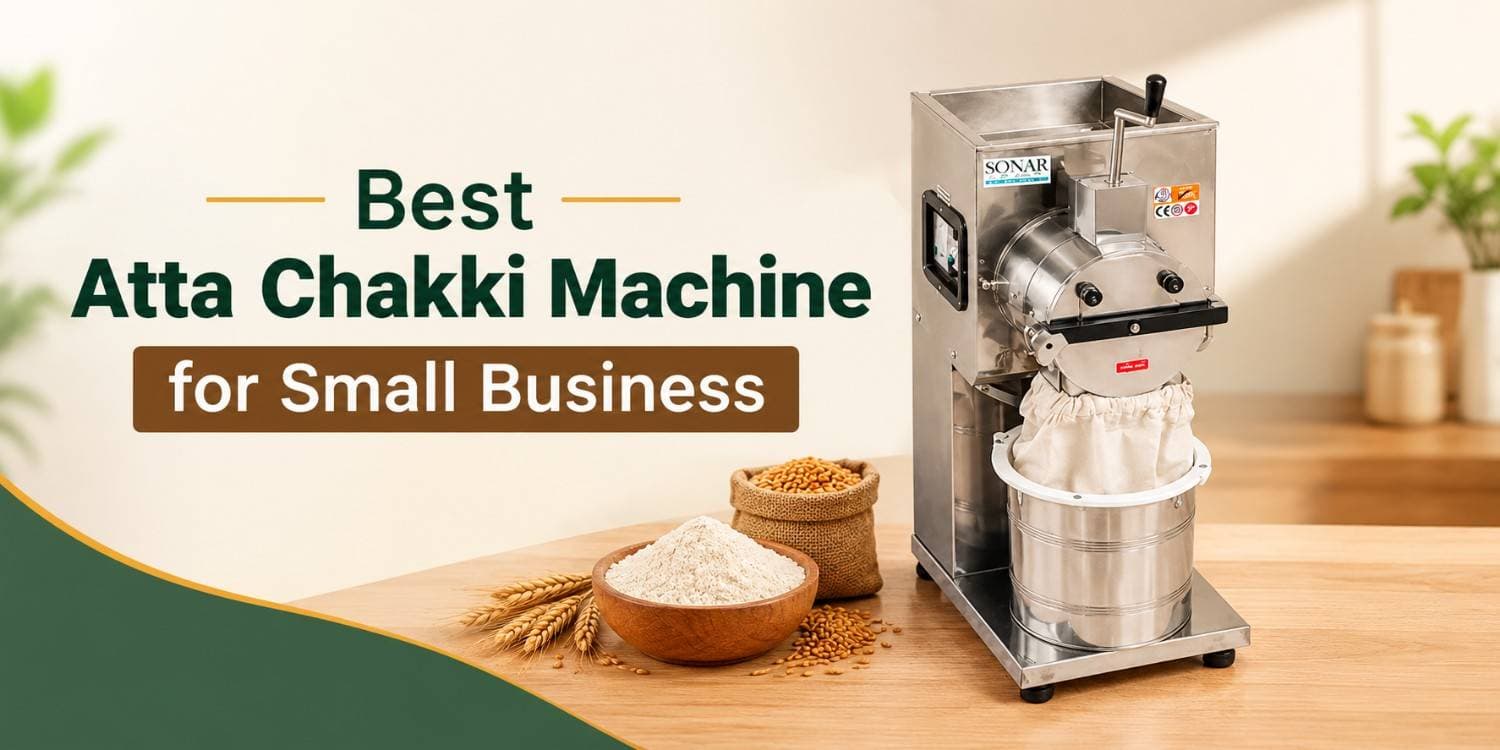
Which Atta Chakki Machine Is Best for a Small Business?
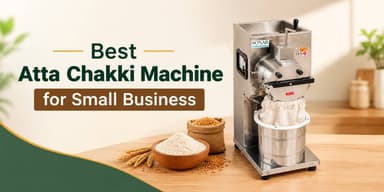
The best machine would be selected according to the amount of flour one wishes to produce per day and type of customers he or she is going to attract. A small shop that will grind wheat flour for households would require a different machine from the one providing flour for grocery shops or food businesses.
When opening a new business, a compact commercial machine would suit when the workload is not big yet. For handling bulk orders, it would be more profitable to purchase a machine with a higher capacity. The buyer should check the grinding capacity, motor power, machine dimensions, cleaning system, and types of grain that can be ground.
When comparing flour grinding machines, the Sonar Appliances name could be taken into account. One should make sure of available models, technical data, and services provided by the company.
Types of Atta Chakki Machines for Business Use
1. Compact Grinding Machines
Compact models are ideal for small scale industries and shops with fewer clients visiting the shop. They occupy less area on the floor and may be suitable for people interested in starting with a small unit. Care must be taken to ensure that the unit has an adequate capacity to satisfy the needs.
2. Commercial Atta Chakki
Commercial Atta Chakki is intended for use in business premises and not for grinding at home. Different models can grind more quantities of wheat and can operate for longer periods.
3. Commercial Flour Mill
Commercial Flour Mill may be suitable for those requiring high output and planning to sell the flour to wholesalers, bakeries, and commercial clients. It depends on the number of grinding steps required, expected output, and availability of space for installation.
Important Features to Check Before Buying
Grinding Capacity
Working capacity is the first feature to consider. You should estimate the amount of wheat in kilograms that you plan to mill per hour and per day. Choose a model that will be able to process such quantity without continuous work over its capacity.
Motor Power and Electricity Use
The engine influences the machine's working capacity and the electricity consumption. Pay attention to its capacity, power supply specifications, and possible electricity costs per operating period. If the machinery will operate for several hours per day, then consider electricity costs while estimating the expenses of your business.
Flour Quality
Many clients want to have homogeneous flour. The milling system, the state of the grain and machine settings may influence the quality of the product. Ask the seller about the settings and possible quality of the flour.
Cleaning and Maintenance
Grains' dust and flour accumulate in the machine due to the normal work. It will be easier to keep it clean if the design allows it. Also, ask about the regular maintenance and availability of spare parts.
Space and Installation
It is important to know the area of your floor, weight, ventilation needs, and other installation requirements of the machine.
How to Start an Atta Chakki Business on a Small Budget
Study the Local Market
See if there is a need for flour grinding among the people living in households as well as the nearby stores. Talk to your customers to find out about their favorite grains, daily requirement, and charges to be charged.
Prepare a Cost Plan
The budget needs to include money spent on buying the machine, its installation, electrical connection, renting the premises, packaging material, storing the grain, and the cost of maintenance.
Choose the Right Location
The shop needs to be situated in a place where regular customers are available. It must also have enough space to store the grain, grind them, package them, and accommodate the people coming there.
Set Clear Service Rates
You can either charge customers for grinding the wheat they bring or sell the flour that is made from purchasing the grain yourself. Different expenses will be incurred in both cases.
Can You Add Other Food Processing Machines?
After securing a regular customer base in the milling of the flour business, you may opt to add equipment whose function is similar to that of your initial equipment.
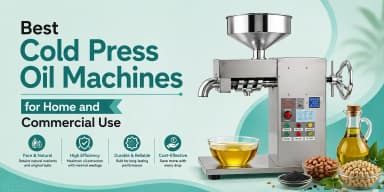
Cold Press Oil Machines are devices that enable companies to get oil from oil seeds through a pressing method. Depending on the type of machine, it can be used for processing oils of seeds like mustard, sesame or groundnuts. Having this type of machinery will create an additional income stream but the business people must first ascertain their demand, cost of raw materials, sanitation needs, and output of the machine.
When adding more equipment, ensure that your business has adequate space, electricity, and capital.
Benefits and Challenges of Running a Flour Grinding Business
Benefits
- Consistent local demand: Flour is required for the preparation of food by both households and food business enterprises.
- Business flexibility: The business owner can start with a small-scale machine and then increase as the demand grows.
- Electricity and maintenance expenses may influence profitability.
Challenges
- Inefficiency in machine operation may cause delays in fulfilling orders.
- Quality of flour depends on the quality of grains and proper operation of the machine.
- Selling of packed flour requires storage and labeling as well.
Frequently Asked Questions
- Which type of atta chakki is good for my new business?
Select the machine depending on your daily grinding capacity, space, motor power and budget. You can go for the compact one if you have a few customers or select the bigger one if you have bulk orders.
- Is a commercial atta chakki different from the normal one used at home?
Yes. The commercial chakki is meant for business purposes only and has different features depending on the model. It is important that you compare the various specifications of the machines.
- Will the machine grind grains other than wheat?
Yes. the machine will easily grind grains other than wheat.
- Can I package and sell my flour in a pack?
Yes, you can package and sell my flour in a pack.
- What should I ask for when buying the machine from Sonar Appliances?
Enquire about the types of machines they manufacture, grinding capacity, motor power, electricity requirement, warranty, spares, etc.
Conclusion
The most appropriate machine that should be bought by a small business will be the one which caters to the demands of the local people in terms of daily grinding requirements, space requirement, and running expenses.
Sonar Appliances can be considered when looking for equipment for your flour grinding business. Comparison of the features of the machines should be carried out prior to making a choice. With an appropriate machine, a proper financial plan, and constant supply of customers, a small flour grinding business can have a feasible growth strategy.